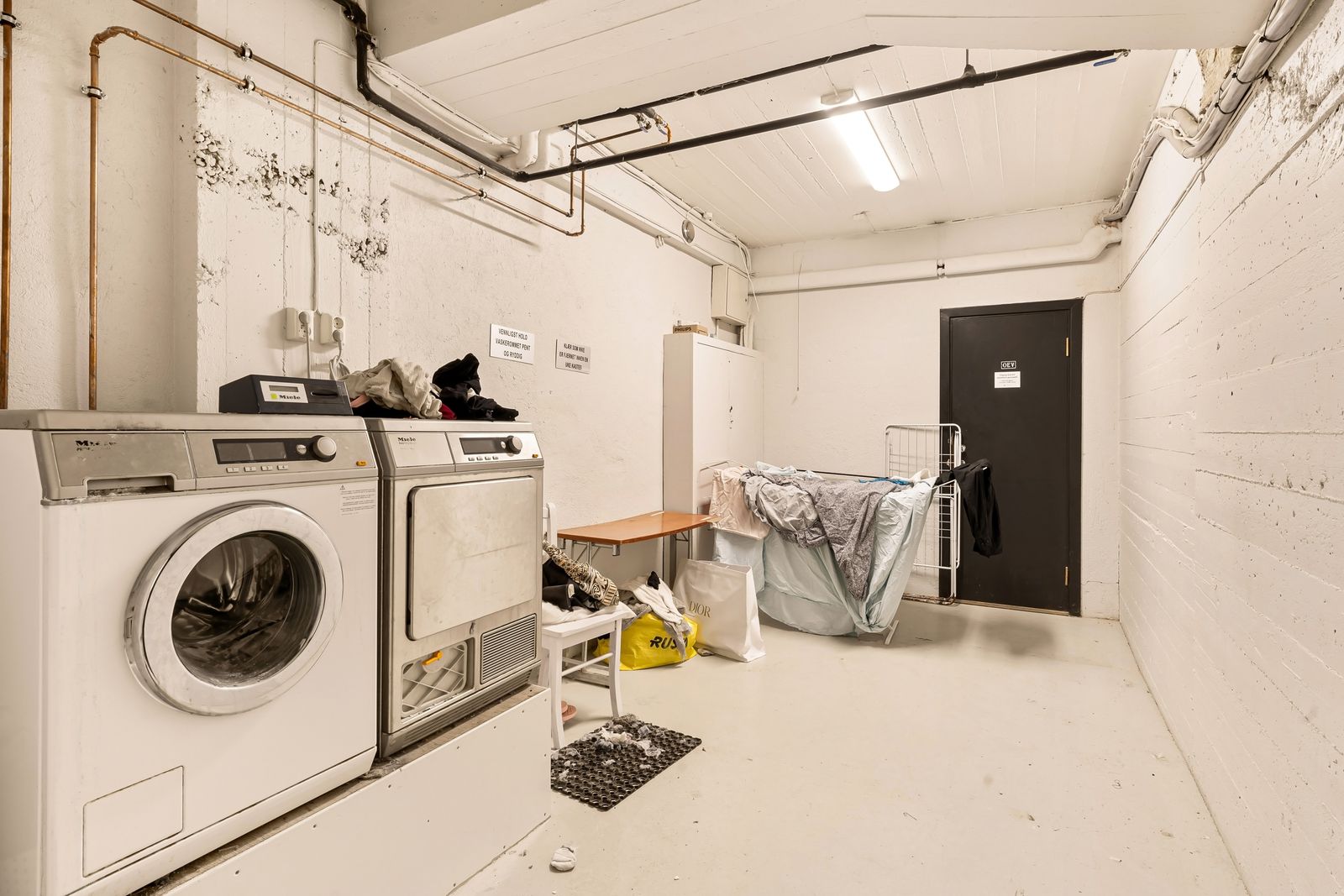
Basement Floor & Laundry Drains in Mechanicsburg
The washer empties and the standpipe spills, or the floor drain gurgles and smells. Low drains tell you things early, and a quick call helps sort out whether it is lint, a dry trap or the main line.
You went down to start a load of laundry and found water on the floor around the washer. Or the basement floor drain has started giving off a smell that drifts upstairs, or it gurgles whenever someone runs the shower. These drains sit at the lowest point of the house, so they are often the first place a problem shows up.
Laundry lines and floor drains behave differently from the sinks upstairs. A washer pushes a large, fast surge of water into a narrow standpipe, and lint travels with it. A floor drain may sit dry for months, then be asked to carry a lot of water at once. Each has its own typical failures, and telling them apart saves time.
The dispatcher asks what you are seeing and connects you with an independent local drain cleaning pro. Pricing is explained upfront, before any work begins.
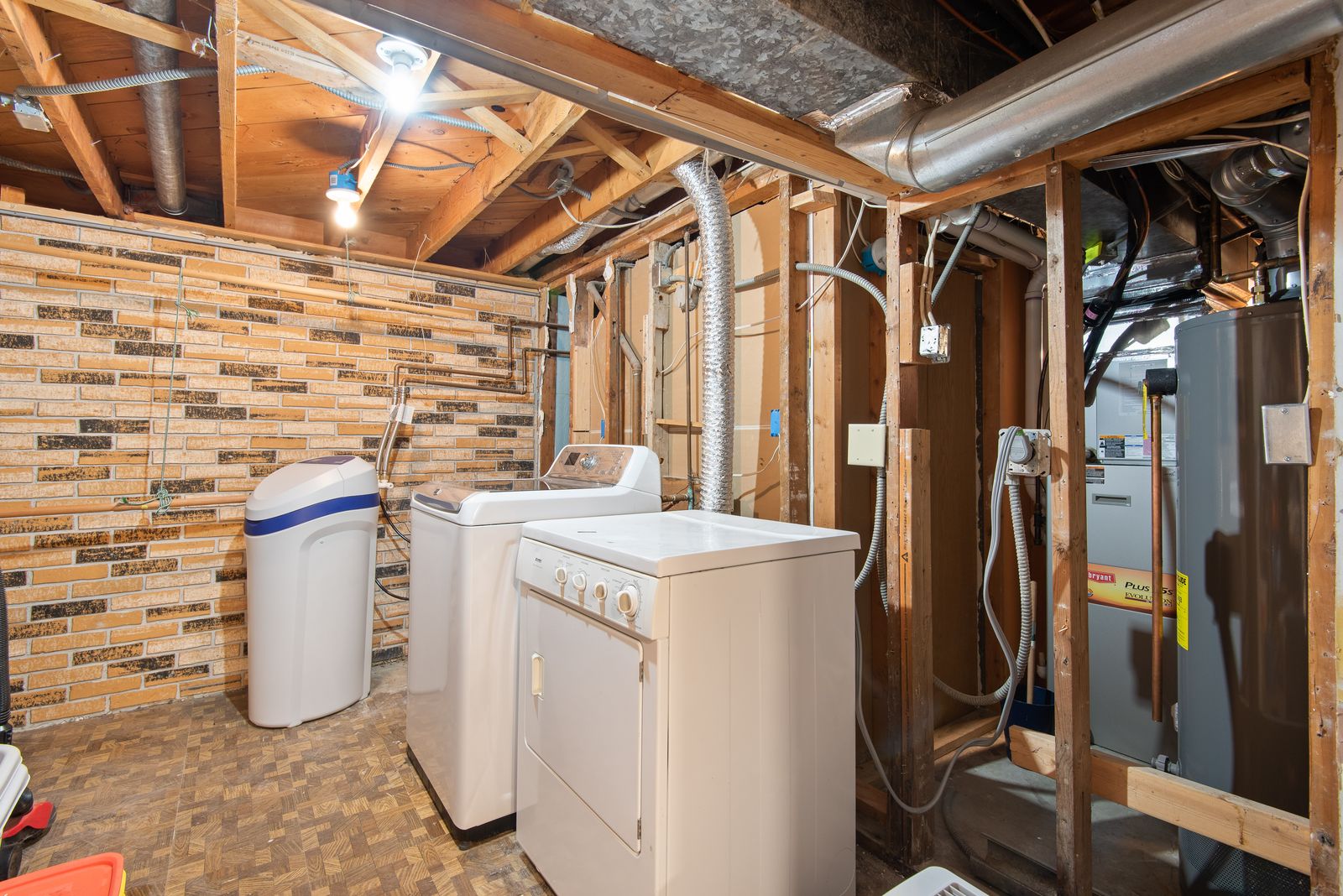
Lint, soap and the washer standpipe
Washing machines drain fast. The hose pours into a vertical pipe, called a standpipe, which feeds a trap and then the drain line. Lint, fabric fibers, pet hair and soap residue collect along the way, and over time they narrow the pipe until a surge can no longer drain as fast as it arrives. The standpipe fills, then the water spills over the top onto the floor.
Yes, lint really can clog a drain. It tangles with soap and forms a dense mat that grabs more. If the standpipe overflows only on the spin or drain cycle, the narrowing is probably close to the machine. If other fixtures are involved, the problem may be farther along the line.
When the floor drain backs up
A basement floor drain is usually connected to the same house drain that serves the sinks and toilets above. It handles water from a washer, a utility sink or a leaking appliance, and it sits at the low point. If the line downstream slows or blocks, this is where the water shows first.
A floor drain that bubbles when a toilet flushes or the washer empties usually points to something beyond the drain itself. When several fixtures act up together, it may well be the main line, and our page on urgent backed-up drain help covers what to do when water is already coming up. A technician finds out by checking how the drains behave together.
A dry trap and the smell that goes with it
Every drain has a trap, a curved section that holds a little water. That water seals the opening so odors from the drain line do not drift into the room. A floor drain rarely sees water, so the seal can dry out and a musty or sewage-like smell can start.
A dry trap is only one cause. Debris, a cracked fitting or a partial blockage can all produce odors, and the technician sorts out which is which. Please do not pour products into the drain to mask it. Describe the smell and how long it has been there, and the dispatcher helps work out what to check first. If the odor tracks with a gurgle or a slow drain, the cause may be deeper in the line.
Calls answered 24/7
Call for a same-day slotLow basements and heavy-rain seasons
Basements in lower parts of a block can see water show up at the drain during stretches of wet weather. Sometimes the drain line is simply too backed up to carry the load. Sometimes the municipal sewer line downstream is working hard. The cause is not always something inside your house.
The technician looks at what is happening at your drain, checks how the line behaves, and explains what they find. If your municipal sewer authority's system is involved, the technician will say so, and you can raise it with them. No one can promise that a drain will never back up in heavy weather, but clearing the house line and understanding its condition removes one possible factor.
What a backwater valve does
A backwater valve is a fitting installed in a drain line that is meant to let water leave the house but close if water tries to flow backward. The idea is to reduce the chance of a backup coming up through low drains. It can include a flap or float that closes when flow reverses.
It is not a cure-all. A valve needs to be installed in the right place and kept clear, and it is a plumbing project in its own right, not part of drain clearing. If you are curious whether one suits your house, ask the technician what they see. They can explain how it works and what is involved, without pressure to buy anything. First, though, knowing why your drain backs up is more useful than any fitting.
Basements across Mechanicsburg
Basements show up across most of the area, and they behave differently depending on where you live. In Hampden Township, the large 1960s to 2000s subdivisions often have finished basements with a laundry area, a floor drain and sometimes a bathroom on the same level. When the drain backs up there, the question is how much water reaches a finished space, so the technician pays attention to what the floor and walls are made of.
Out in the semi-rural parts of Monroe Township, lots are larger and the run from the house to the main drain is longer. A floor drain on a longer line has more bends and more chances for build-up, and some rural properties are on private wells or on-lot systems that a drain-cleaning visit does not address. Tell the dispatcher about your setup so the technician arrives prepared.
The pre-war borough houses and the older farm-edge homes tend to have stone or poured walls and older floor drains that may be rough inside. Newer town homes often put the washer on an upper floor, so laundry overflows look different there. These are general patterns, and the technician confirms what your house actually has. If the kitchen sink is also slow, the page on slow kitchen sink help may help you sort it out.
Questions people ask
The standpipe is the narrow vertical pipe the washer hose drains into. Lint, fibers and soap residue build up inside it and in the trap below, so the pipe can no longer carry the washer's fast surge of water. The water rises and spills out the top. If it only happens on the drain cycle, the narrowing is probably close to the machine. A technician can check the line and explain what is causing it.
Often the trap has dried out and no longer seals the line, which lets odor rise. Debris, build-up or a partial blockage can also be at fault, and so can a problem further along the drain. Please do not pour products into the drain to cover it up. Tell the dispatcher what the smell is like and when you notice it. The technician works out whether it is a simple seal issue or something deeper.
The floor drain is connected to the house drain, so if the line is slowed or blocked downstream, water has nowhere to go and comes up at the lowest opening. That is often when the washer empties or a tub drains. If more than one fixture is involved, stop using water and call. The technician checks whether it is a single branch or the main line.
Same-day dispatch is available where possible, but availability depends on the day and who is on call. When you phone, the dispatcher asks about the situation and tells you what can be arranged. If water is actively coming up, mention that so it is handled with the right urgency. Pricing is explained before any work begins, and there are no hidden fees.
It can. When the floor drain backs up along with a toilet gurgling or a tub draining slowly, the main drain is a common suspect. A backed-up floor drain by itself may also come from a branch line or a lint-clogged washer connection. The technician checks how the drains behave together and decides where to clear. Because it varies, a call helps more than guessing.
It is a fitting installed in a drain line that is meant to let water out of the house and close if water tries to flow back in. The idea is to reduce the chance of a backup rising through low drains. It does not replace clearing a clog, it needs to be installed in the right place and kept clear, and it is a separate project. Ask the technician if you would like to know more.
Yes. Lint, fibers and pet hair mix with soap and form a dense mat that grips the pipe wall and traps more material. Washing machines move a lot of water quickly, so the clog can show up fast as an overflowing standpipe. The technician can clear it, and the camera can show whether the line has more build-up than the visible clog suggests.
Please do not pour chemical cleaners or other products into it. They can harm the pipe and make the technician's work harder. If the drain smells or is slow, describe the symptom on the call and let the technician decide what is needed. The only thing to do before the technician arrives is note which drains are affected and when it started.
Basement drains deserve a straight answer
Tell the dispatcher what the floor drain or washer line is doing and an independent local pro can explain what usually causes it.