
Old Lines Under Mature Trees in Hampden Township
Hampden Township homes were built in waves, and the oldest tracts now have mature trees sitting over their drain lines. Tell us what is backing up and we dispatch a local pro who knows these subdivisions.
Half a century of the same pipes under the same trees
In Hampden Township the typical drain call is not about a sudden failure. It is about a house that has behaved for decades and is now starting to complain: a basement floor drain that burps, a laundry line that slows, a kitchen sink that only clears when someone runs the tub. Lines laid in the first wave of building have had years of settling and root growth to work on, and the trees planted along those streets are now tall. Whether you live in an older tract or a newer one, the pattern is the same: the symptom shows at a fixture and the cause lives in the line.
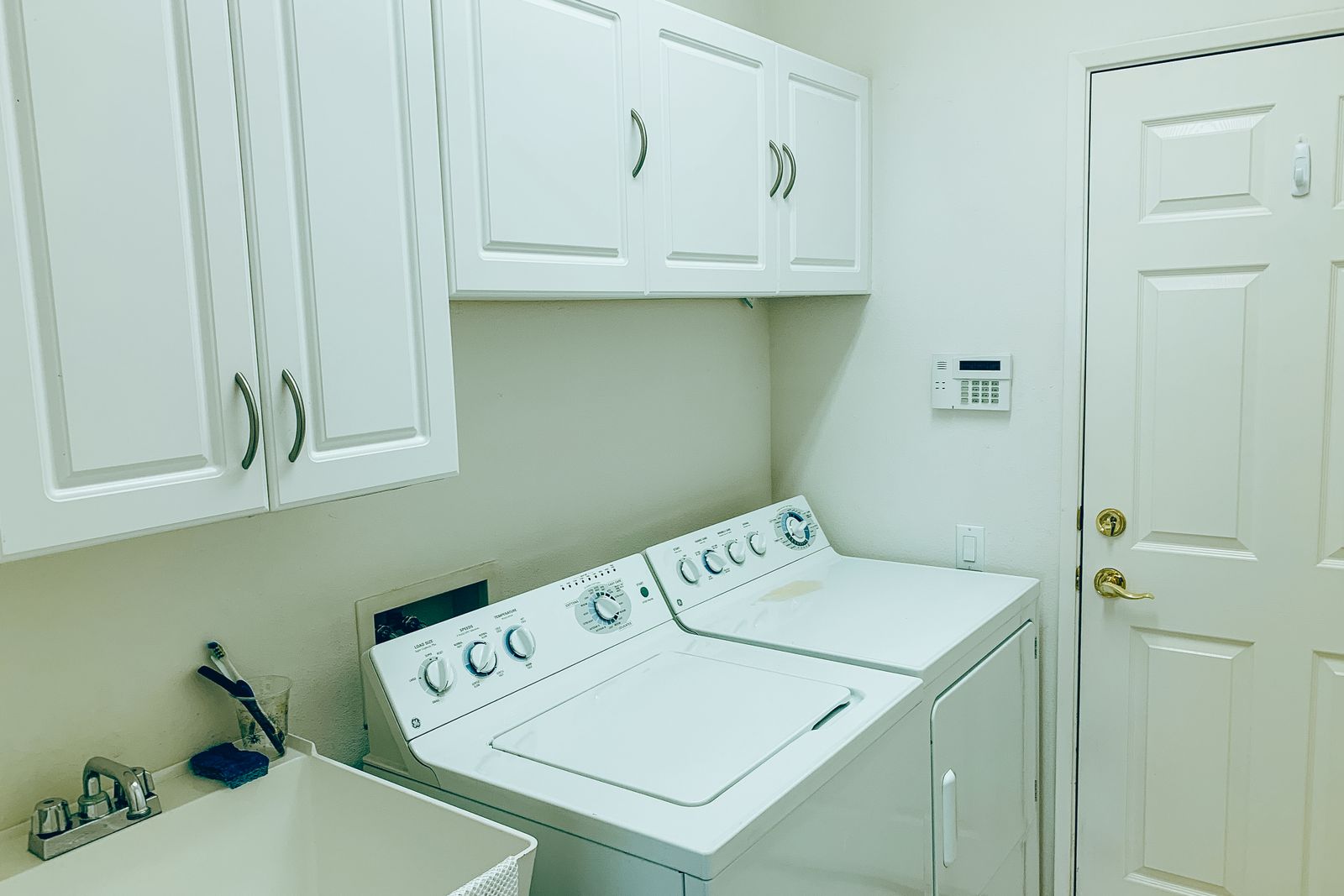
Ranches, split-levels and colonials: how the lines run
Hampden Township falls in ZIP 17050, and its housing reads like a timeline. Close to the Carlisle Pike and Trindle Road corridors you find tracts built from the 1960s onward: ranches, split-levels and two-story colonials on lots roomy enough for real yards and, over the years, real trees. Later subdivisions from the 1980s through the 2000s add bigger footprints, more bathrooms and more fixtures feeding one lateral.
Most homes have a basement, and a great many have finished it. A family room, a basement bathroom and a laundry corner often sit below the level of the street, which means the lowest drains in the house are the first ones to show trouble when the main line slows down. The lateral usually runs straight from the house toward the street through a front or side yard, which is exactly where a mature tree has been spreading its roots. In a split-level, one branch may serve several floors, so a problem in the lower level can look like a problem upstairs.
The usual suspects in a mature tract
Roots finding the joints
Older lateral pipe has joints, and joints are where fine roots tend to enter. Once a few strands are in, paper and grease catch on them and the bore narrows. A cable can open the pipe, but if the roots are growing back from outside, a second look at the line is reasonable.
The laundry that outgrew its drain
Homes that began with a small washer now run bigger machines, and the standpipe or branch behind the wall may be partly lined with lint and soap film. The first sign is a standpipe that rises more than it used to, or a basement drain that gurgles when the washer pumps out.
Fixtures added in the basement
A finished basement often includes a bathroom or wet bar that was added after the house was built. Those branches tie into older piping in places that are now behind drywall, so when they slow down the problem is harder to see and the cause is often downstream of the new work.
Calls answered 24/7
Call before it gets worseQuestions the technician asks on a Hampden walk-through
Which floor, and which fixtures? A slow upstairs shower with a normal basement points at one branch. A slow basement drain with everything else normal points at a different one. If every drain is sluggish, the main line comes into focus.
Where is the access? In a finished basement the cleanout may sit behind a panel, in a utility room or in the garage, and the technician will want to know before opening anything. A floor drain in the laundry corner is often the easiest way in.
What has the house been doing lately? Heavy laundry days, a new disposal, a tree that was removed or added, or a plumbing change in the basement all give useful clues. If the house is a 1990s build with a long lateral across the yard, the technician may suggest a camera look to see where the line slows. Whatever is proposed, the reasons and the price are explained before work begins.
A Hampden call, told from the kitchen
You are standing in the kitchen with water pooling in the basement stairwell, or just listening to the main drain gurgle. You call, and someone picks up whatever the hour. You describe what you saw, which floor it began on and what was running at the time.
The person on the line asks about the age of the house, whether the basement is finished and whether a cleanout is visible. That is enough to match you with an independent technician who works the Carlisle Pike and Trindle Road area and is used to tract homes. Dispatch happens the same day where available, with an arrival window explained on the call.
At the door, the technician confirms what you described, goes to the lowest drain and explains the likely plan and the upfront price before any work. Afterward you hear what was found, whether a camera or a different method is worth considering, and what warranty applies to the completed work.
Neighbouring areas and the services most Hampden callers need
- Silver Spring Township lies alongside, with older farm-edge homes and newer subdivisions, and we connect callers there too.
- Mechanicsburg Borough brings you to the pre-war streets around Main Street, where the lines are older and the lots tighter.
For Hampden homes, main drain line clearing is the common starting point when several drains slow together. Hydro jetting can suit lines with grease and scale build-up once a camera has checked the pipe, and floor and laundry drain service covers the basement drains that finished rooms tend to hide.
Questions people ask
In most cases the technician works through existing access points such as a cleanout, a floor drain or a stack opening, so walls and ceilings stay intact. If the only access is behind a panel, they will tell you first. Nobody should cut into finished space without explaining why and getting your agreement. Mention any hidden or boxed-in plumbing when you call, and the technician can plan the approach.
Not necessarily, and that decision is yours. Roots can enter an older line at joints, and clearing them with a cable or other tool opens the pipe, but the roots can grow back. The technician can show you what the camera finds and describe options. Whether a tree stays or goes depends on its location, its value to you and what the line looks like inside.
That usually points at the branch serving that bathroom, not the main line. Hair, soap scum and a worn stopper often sit close to the fixture, though a long run behind a wall can collect build-up too. Tell the dispatcher which fixtures are slow and which are normal, because that pattern helps the technician decide where to begin, and mention how long the problem has been developing.
Sometimes. Jetting can clean grease and scale from pipe walls, but it is not suitable for every pipe, and a fragile or damaged line is a reason for caution. That is why a camera look often comes first. The technician will explain what was seen, whether jetting makes sense for that line and what the alternatives are before anything is done.
Yes, floor drains in garages and utility rooms can clog with sediment and debris just like any other drain, and some connect to the same lines as the rest of the house. Tell the dispatcher where it is and what it does. Do not pour anything into it hoping to clear it. The technician will check where it leads and explain what is practical.
When two high-volume appliances discharge together, a partly blocked line cannot carry the water and air away fast enough, so you hear gurgling or see slow drains. It is a classic sign of a shared branch or main line that needs attention. Pay attention to which fixtures complain and call. If water starts rising in a tub or floor drain, stop using water until help arrives.
The basement is the lowest point in the house, so it feels a main-line problem first. A slow main line can push water to the lowest outlet while higher fixtures still drain. It could also be a problem on that single branch. The technician will check the relationship between the basement bathroom and the main line before deciding what to clear.
Newer pipe is usually smoother and tighter than very old pipe, but no house is exempt from clogs. Grease, hair, wipes and roots from nearby trees can affect any line, and a long lateral across a mature yard has plenty of places to snag. If a drain keeps slowing, call, because a repeat clog is a hint the line deserves a look, whatever the build year.
Your basement, our first question
If the lowest drain in the house is acting up, call now. A few questions on the phone usually show where to start.