
Original Drain Lines in Upper Allen’s Established Subdivisions
If your Upper Allen home still has the drain lines it was built with, slow tubs and repeat clogs are worth taking seriously. Call, and get straight answers from a local pro.
When a house that always drained fine starts to complain
Upper Allen Township, which falls in ZIP 17055, wraps around the south side of the borough, and a good share of its neighborhoods took shape between the 1970s and the 1990s. Those houses ran quietly for a long time, which is exactly why the first slow tub or gurgling toilet catches people off guard. The drains are not misbehaving at random. Original pipe has had a long career of hair, soap, grease and roots pressing against it, and the symptoms tend to show up in the bathrooms first.
Ranches, split-levels and two-stories on settled lots
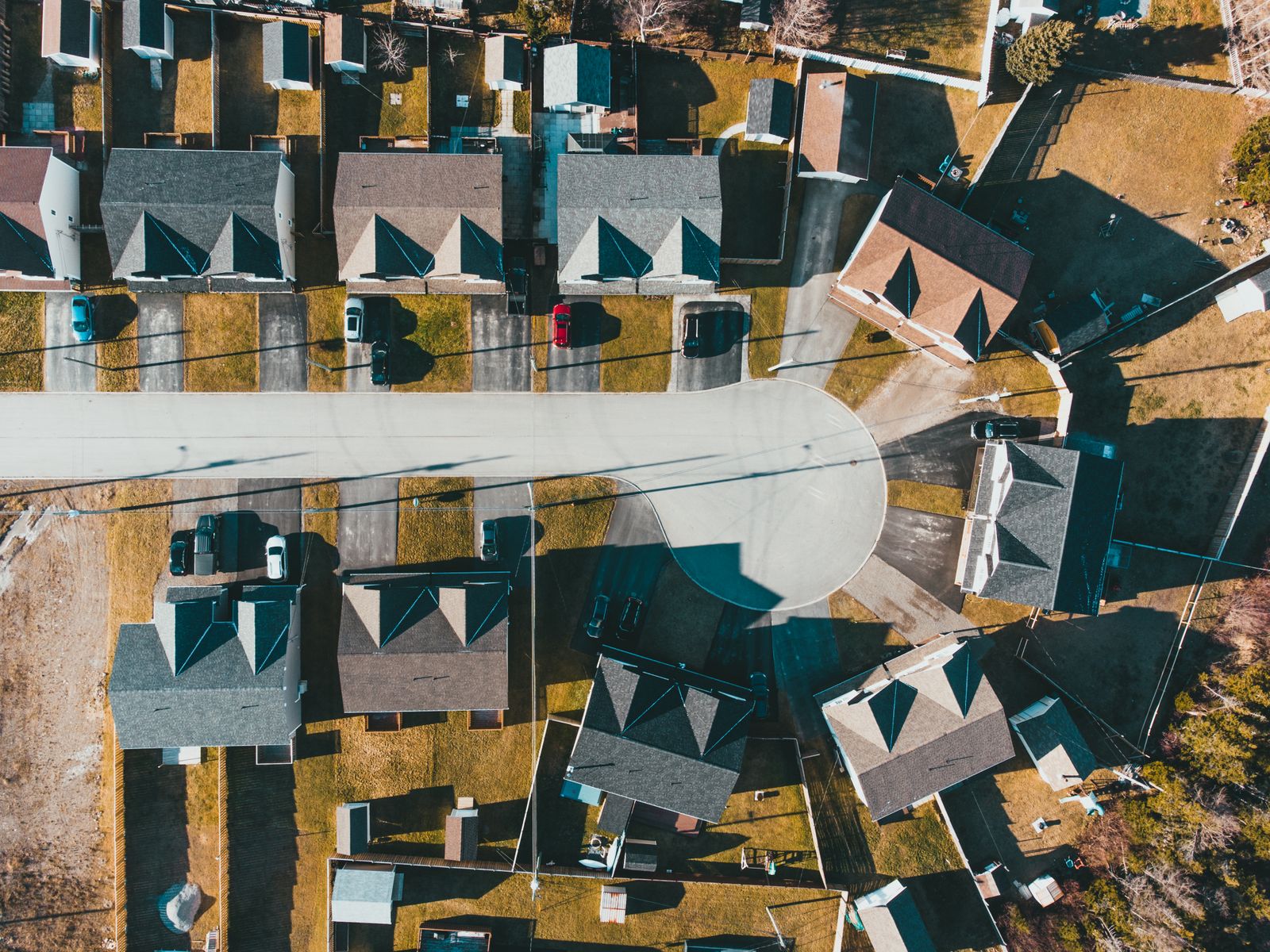
Many homes in the established subdivisions here are ranches, split-levels and two-story houses on lots with grown trees, finished lawns and driveways that have been in place for a long time. The drain lines were put in with the house, so a home built early in this window and one built near its end may have different pipe: cast iron, clay and early plastic all turn up depending on the builder and the year.
Bathrooms are usually grouped, either stacked in a two-story plan or clustered at one end of a ranch. That grouping matters, because several tubs and sinks feeding one branch means a single restriction can slow all of them. From the house, the main line runs out toward the street, and on a settled lot it often passes under the roots of trees that were small saplings when the neighborhood was new.
The usual suspects in a bathroom-heavy house
In this part of the township the work is rarely dramatic. It is a long list of small things that finally add up.
Soap and hair that have become scale. Years of showers leave a coating inside the pipe that catches new hair, so the drain slows even after the visible clog is removed. This is the situation in which hydro jetting comes up, because scrubbing a line with pressurized water addresses the walls rather than only punching a hole through the middle. It is not suitable for every pipe, and the technician decides after looking at what is in front of them.
Older stoppers and overflow linkages. The pop-up assemblies in older tubs collect a surprising amount of debris. Sometimes the problem is right at the drain opening and never reaches the pipe.
Roots finding a weak joint. Mature trees send fine roots into joints and cracks looking for moisture. Slow drains throughout the house, with toilets gurgling when the shower runs, can point toward the main line and not any one fixture.
Repeat clogs on a line that has already been cleared. If a drain is slow again soon after, clearing alone is only half the job. The reason deserves a look.
Calls answered 24/7
Call before it gets worseWhat gets checked first on a 1970s to 1990s house
The technician we dispatch starts by sorting the symptoms, then works outward from the house.
- Is it one tub, one sink, or every drain? Several fixtures at once suggests the main line.
- Does the lowest fixture in the house, often a basement or lower-level drain, react first?
- What pipe is visible in the basement or crawl space? A glance at the exposed lines tells the technician a lot about what material is underground.
- Does the line clear fully, or does it slow again as the cable is pulled back?
- If the line keeps returning, a camera lets you see roots, scale, an offset or a belly in the pipe instead of guessing.
Each step informs the next. If the camera does show damage that needs digging, the technician will tell you what the next step is. Nothing is promised about a drain never clogging again, but you will know what is inside it.
How the phone call and the visit unfold
When you call, the call is answered at any hour. The dispatcher asks which drains are slow, whether anything gurgles, and whether this is the first time or one more in a string of clogs. Saying that the tub in the upstairs bathroom drains slowly and the toilet bubbles is enough.
You are then connected with an independent local drain cleaning pro, with same-day dispatch where it is available. On arrival the technician looks at the affected fixtures, explains the plan, and gives the pricing before starting, with no hidden fees. Afterward you get a plain explanation of what was found, whether a camera inspection or jetting would help, and what to watch for. The pro who visits sets any warranty terms, so have them spelled out before you give the go-ahead.
Neighbors and next reads
Upper Allen shares its edges with Mechanicsburg Borough, where the oldest pipe in the region runs under walkable blocks, and with the village of Bowmansdale, where lots turn more rural. We serve both.
For a home like yours, start with these:
- Bathroom drains, if a tub, shower or sink is the trouble.
- Hydro jetting, when scale and grease are lining the pipe walls.
- Drain camera inspection, to see inside a line that keeps clogging.
Questions people ask
A slow tub that gets worse in stages usually means build-up deeper in the line than the stopper. Soap film, hair and mineral scale narrow the pipe a little at a time, so each new clog starts from a smaller opening. Cleaning the visible part helps for a while. When the slowdown keeps coming back, tell the dispatcher, because the technician may suggest looking inside the line or cleaning the pipe walls rather than clearing only the middle.
It is common, and it is worth noting. Gurgling means air is being pulled through the drain system because water is struggling to move, often further down the line than the fixture that is making the noise. One occurrence is not an emergency. If it happens regularly, or comes with slow drains in other rooms, mention it on the call so the dispatcher can ask the right follow-up questions and send the right equipment.
They can. Roots look for moisture and will enter a joint or small crack in an underground pipe, then grow into a mat that catches debris. Mature trees on established lots are the usual setting. It is a general tendency, not a prediction for your house, and many homes with big trees have no trouble at all. A camera look is the way to find out whether roots are involved in a particular line.
Cabling pushes a rotating cable through the pipe to break through a clog and restore flow. Jetting uses pressurized water to scrub the inside walls and flush the debris out. A cable is often the first step on a single drain. Jetting suits build-up on the walls, but it is not appropriate for every pipe, and the technician decides after looking at the line. The dispatcher can explain the choice for your situation.
Build-up is gradual and invisible until the opening gets small enough that one more bit of hair or soap closes it. Roots, shifting joints and scale all develop slowly too. That makes a sudden problem feel unexplained, when it is really the end of a long process. The useful question is not why now, but what the pipe looks like inside, and a camera inspection can answer it directly.
Sometimes, by looking at the exposed lines in a basement or crawl space, since cast iron looks and feels different from plastic. Underground sections cannot be seen without a camera. You do not need to identify it yourself for the call. Describe what you see if you want, and the technician will check on arrival. The material helps decide which tools make sense, but it is not something to diagnose in advance.
It means the cause has not been removed, only the blockage. A line that clears and slows again shortly after often has scale, a root intrusion, an offset joint or a sagging section that holds water. Do not assume the next visit will be the same as the last. Say that this is a repeat problem when you call, and the technician can plan a diagnosis instead of another quick clearing.
If more than one fixture is backing up, stop using water in the house. Do not pour chemical drain cleaner into the drain, since it can harm pipes and the technician. Keep children and pets away from any backed-up water, and move valuables off a basement floor. Make a note of which fixtures are affected and when it began. That small list speeds up diagnosis and helps the technician arrive prepared.
Time to look inside the line
Describe what the drains are doing, and we connect you with an independent local pro who has worked on homes of this era. Pricing is explained before any work begins.